
Why Dental X-rays are Important
What is the dental X-ray?
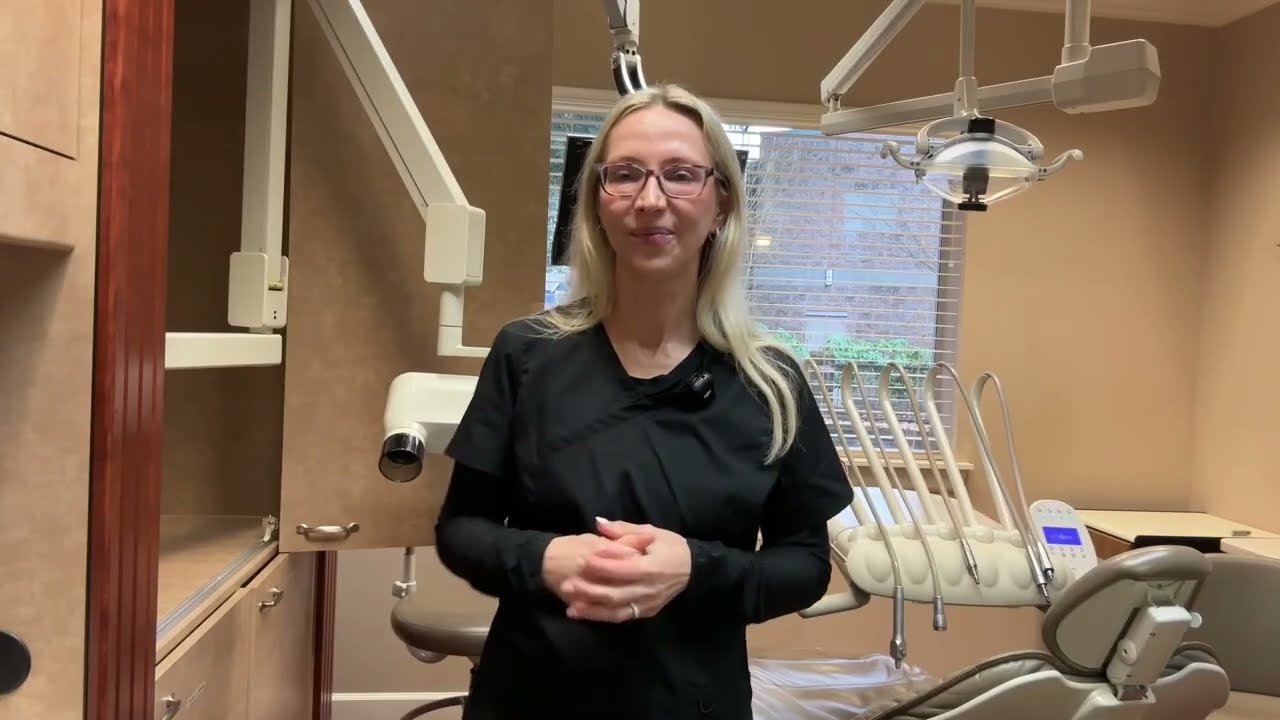
Dental X-rays are a radiographic tool that helps diagnose different conditions in the mouth that are invisible to the naked eye. We use a digital X-ray sensor and a digital X-ray tube to collect the images.
When do dentists take dental X-rays?
The dentist takes dental X-rays when a diagnosis is needed. This occurs when a person visits the dentist for the first time or once a year when it's time to update the dental exam.
What is the purpose of the dental X-rays?
The purpose of dental X-rays is to see things that are invisible to the naked eye, such as the flossing area between the teeth and the parts of the teeth underneath the gums. We can also see sinuses and the conditions of the bone and the jaw.
What are dental X-rays used for?
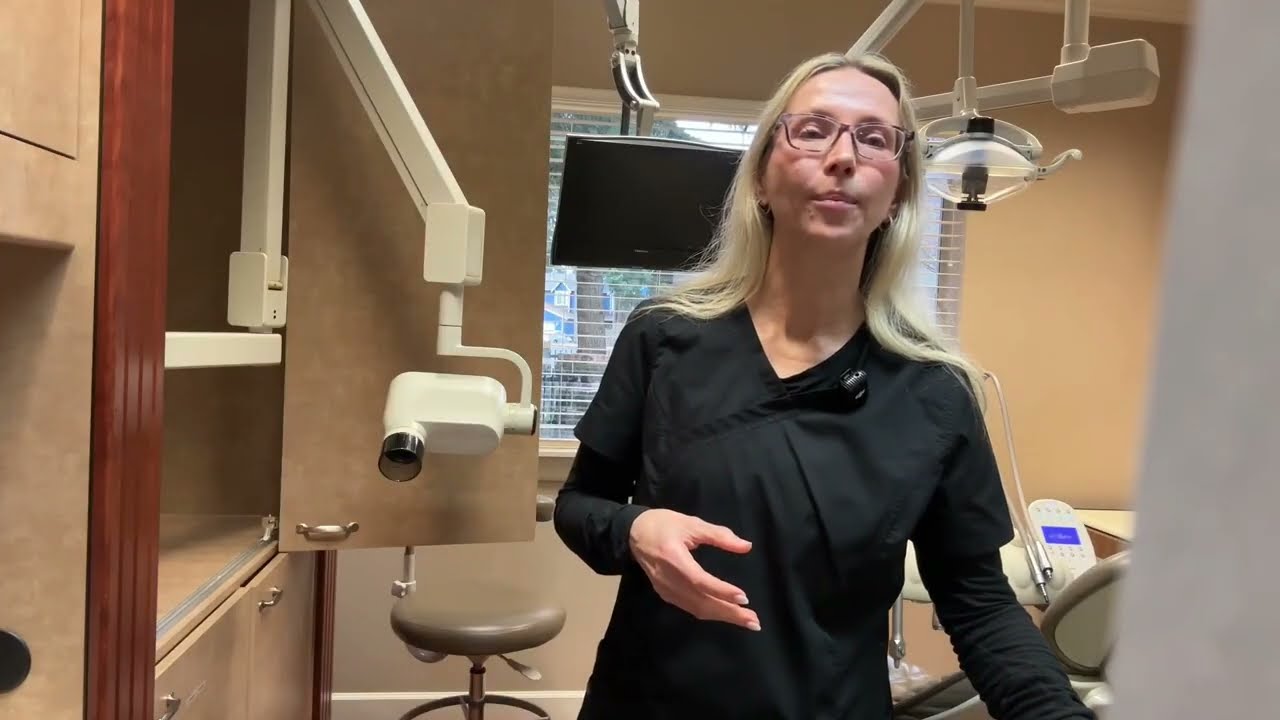
Dental X-rays are used for the evaluation and diagnosis of different conditions in the mouth. We only see so much with our naked eye. We usually see everything above the gums like the teeth, gums, cheeks, and lips, but we cannot see inside the bone and underneath the gums. That's when dental X-rays come into play. They help us see all of the structures that we simply cannot see with our eyes. Dental X-rays help us see the structures that are invisible to the naked eye.
What is the dentist looking for in the dental X-ray?
When dentists take dental X-rays, we look for and compare healthy conditions versus pathological conditions. We look for tooth decay, tooth infections, tooth abnormalities such as resorption of the roots, fractured teeth, and jaw bone pathologies like bone tumors or cancers. We can see sinuses and the jaw joint, known as the TMJ, on a panoramic X-ray.
What type of dental problems can be identified using the dental X-ray?
We can identify a lot of dental problems using dental X-rays. Many dental issues can be identified, such as tooth decay, tooth infection, tooth fractures, root resorption, bone loss, and periodontal disease. We can also see the buildup on your teeth underneath the gums. We can see defective crowns or fillings, bone pathologies, and other jaw issues.
Are there different types of dental X-rays?
There are two main types of dental X-rays. There are intraoral X-rays that are taken inside the mouth, and extraoral X-rays, which require a special machine that rotates around the head and takes a large image capturing teeth, bones, sinuses, and the joints. Each type of X-ray is very useful for different diagnoses and conditions.
Are dental X-rays safe?
Yes, dental X-rays are safe. The radiation dose from modern digital dental X-rays is very low and comparable to a few days to a couple of weeks of natural background radiation from being outdoors, flying on airplanes, using the microwave, watching TV, or being on your cell phone.
Are dental X-rays expensive?
Usually, dental X-rays are not expensive, and most insurances pay for them. Dental X-rays can be more expensive if you need special imaging such as cone beam computed tomography or CBCT to take a 3D image of your jaws. This is needed for implant placements or other dental surgeries.
How can I schedule a dental exam?
Dental X-rays are taken during dental exams and can be easily scheduled by calling the dental office. Without dental X-rays, it would be impossible to diagnose dental and bone conditions and abnormalities in your mouth.
What are the types of dental X-rays, and how are they used?
There are different types of dental X-rays. They can be used in combination with each other to form X-ray series or by themselves. The types of dental X-rays are as follows.
Bitewings – They show upper and lower teeth at the same time and are very useful for diagnosing dental caries or decay and bone loss between the teeth.
Periapical X-rays – They show the whole tooth with the root tip and are very helpful to see infections in your teeth. Bitewings and periapical X-rays are taken intraorally when we place the sensor inside the mouth. There are a few extraoral images as well. One of them is a panoramic X-ray. It's a special machine that goes outside your mouth and captures the whole image of your jaws, teeth, sinuses, and the joint. TMJ cone beam computed tomography is another imaging source. It is called CBCT, and it's a 3D imaging system that shows all of the roots and the teeth at different angles. It's very useful for dental implants and surgeries.
Are dental X-rays safe?
Yes, dental X-rays are safe. The radiation dose from modern digital dental X-rays is very low and comparable to a few days to a couple of weeks of natural background radiation. An interesting fact: a full mouth X-ray series, which is about 18 images, has less radiation exposure than a single cross-country flight from New York to California.
What do dental X-rays show?
Dental X-rays show parts of the teeth that are above and underneath the gums. They show the bones around the teeth, sinuses, any pathological conditions such as tooth decay, tooth infections, bone tumors, bone loss, and many other conditions.
Can dental X-rays show periodontal disease?
Just a side note, periodontitis is a bone loss condition around your teeth, underneath the gums. Yes, dental X-rays are one of the best tools to diagnose bone loss around the teeth.
Are dental X-rays covered by insurance?
Yes, dental X-rays are covered by insurance.
When should I schedule a dental exam?
I generally do not recommend waiting until something starts to hurt to schedule the examination. Usually, when you are in pain, you already have a tooth infection, tooth fracture, or other issues in your mouth that require more extensive and expensive treatments, or it can cause tooth loss. Please be proactive with your dental care and try to schedule an exam as soon as possible before it starts to hurt you.
If you’re ready to schedule an exam or would like to learn more about our services, we’d love to hear from you. Call us at (360) 800-2372 or email [email protected]. We look forward to caring for your smile.